Who it's for
Product, ops, and finance teams where a webhook “worked in staging” but production drifts. Teams connecting Bitbucket, QuickBooks, Xero, Stripe, CRM, or fleet APIs who need agreement between systems - not another glue script.

Integrations & APIs
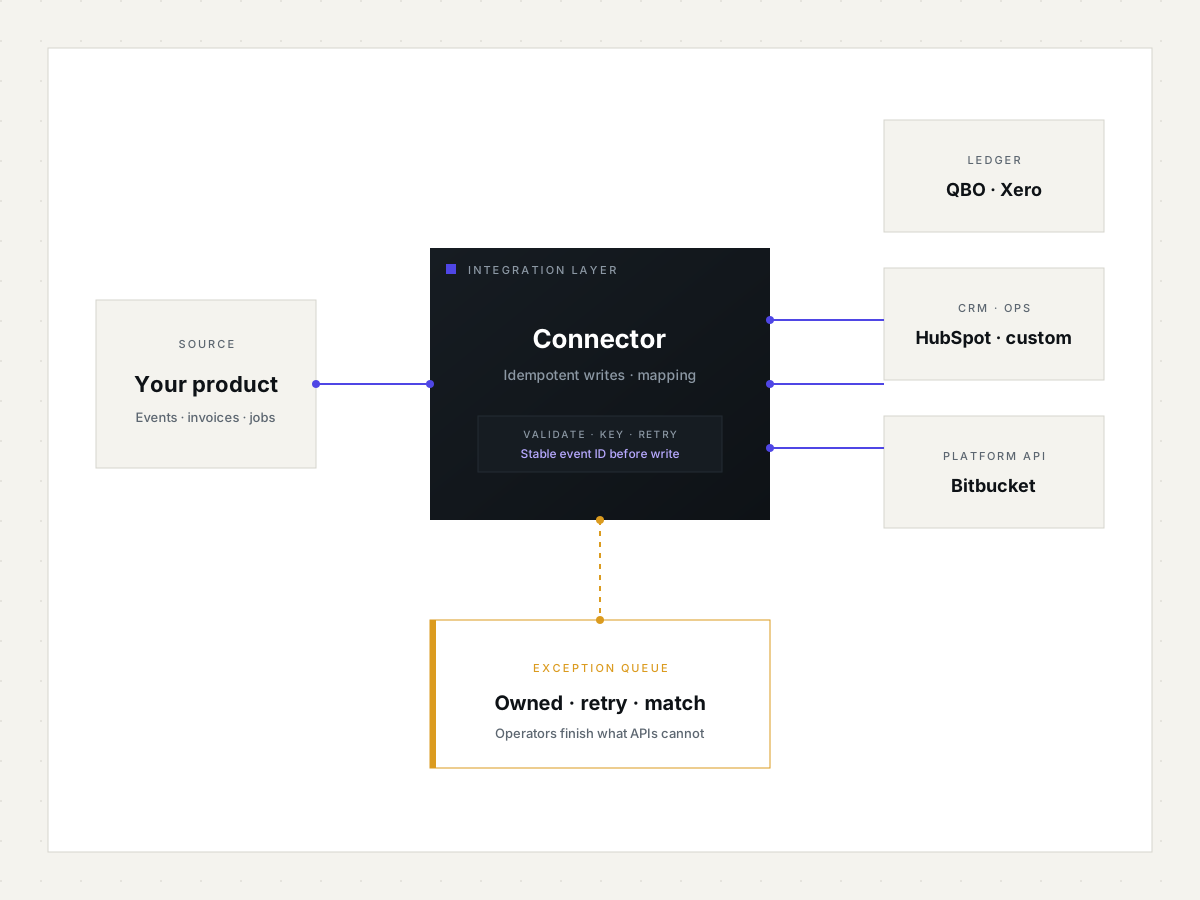
Bitbucket, ledger, CRM, and payment APIs through one structure: stable events, documented writes, and exceptions someone can finish.
Product, ops, and finance teams where a webhook “worked in staging” but production drifts. Teams connecting Bitbucket, QuickBooks, Xero, Stripe, CRM, or fleet APIs who need agreement between systems - not another glue script.
Custom API connectors with stable event keys, idempotent workers, documented endpoints, and operator exception queues. Bitbucket Pipelines, ledger posts, payments, and CRM writes through the same structure - finished when failure is visible, owned, and auditable.
Silent sync drift, duplicate posts on retry, and errors buried in logs. When nobody owns a failed record, we map the source event, destination write, and resolution path - then build the connector and the surface ops can finish.
Kriva is a product design and engineering studio - not an iPaaS vendor. You own the connectors, code, and documentation after launch.
Integration problems
The job reports success or a raw 500. Production needs a named person, a source record, and a next step.COST: silent drift, finance finds variances outside the product
A timeout posts twice. Without idempotency, every retry makes the destination worse than the miss.COST: duplicate invoices, conflicting CRM records

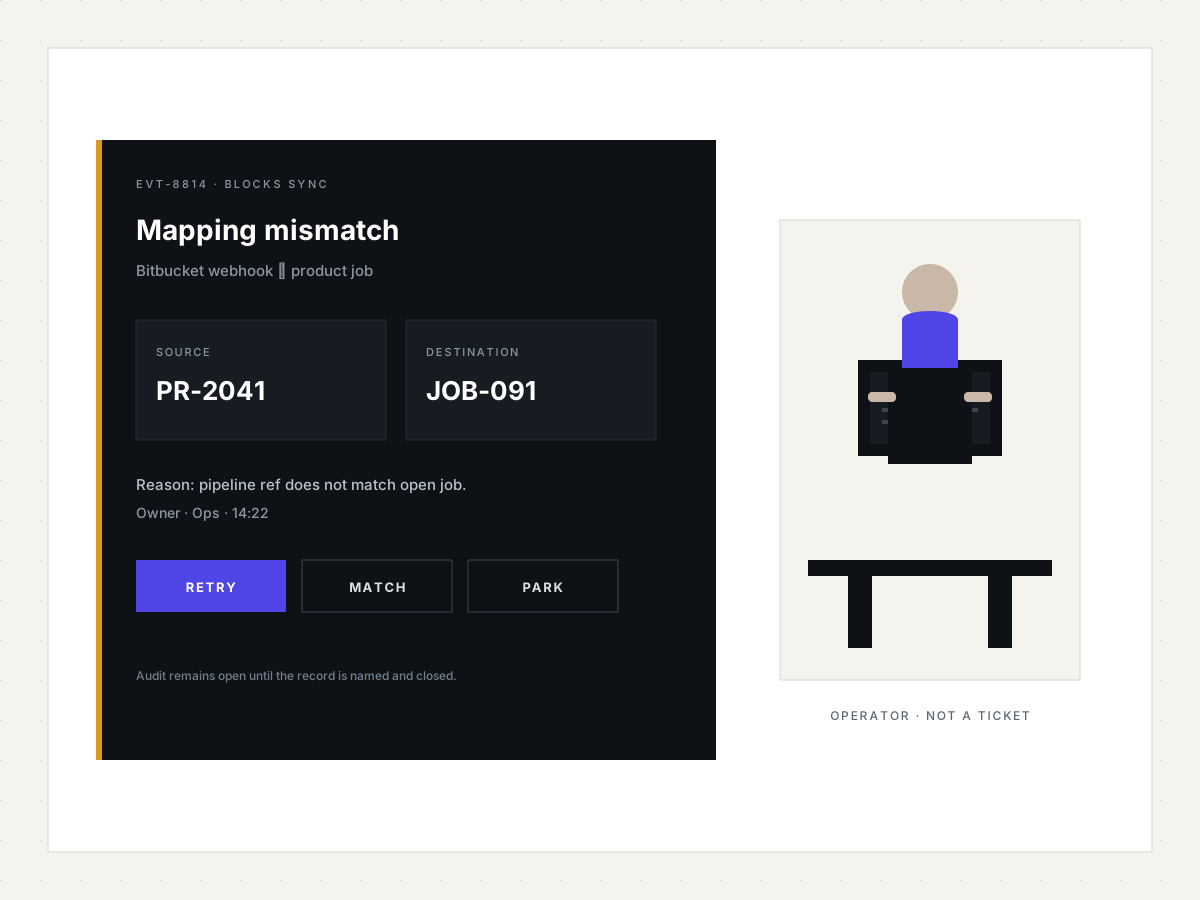
JSON blobs and HTTP codes. Ops needs source value, destination value, and Retry, Match, or Park.COST: engineering tickets for every sync miss
Integration structure
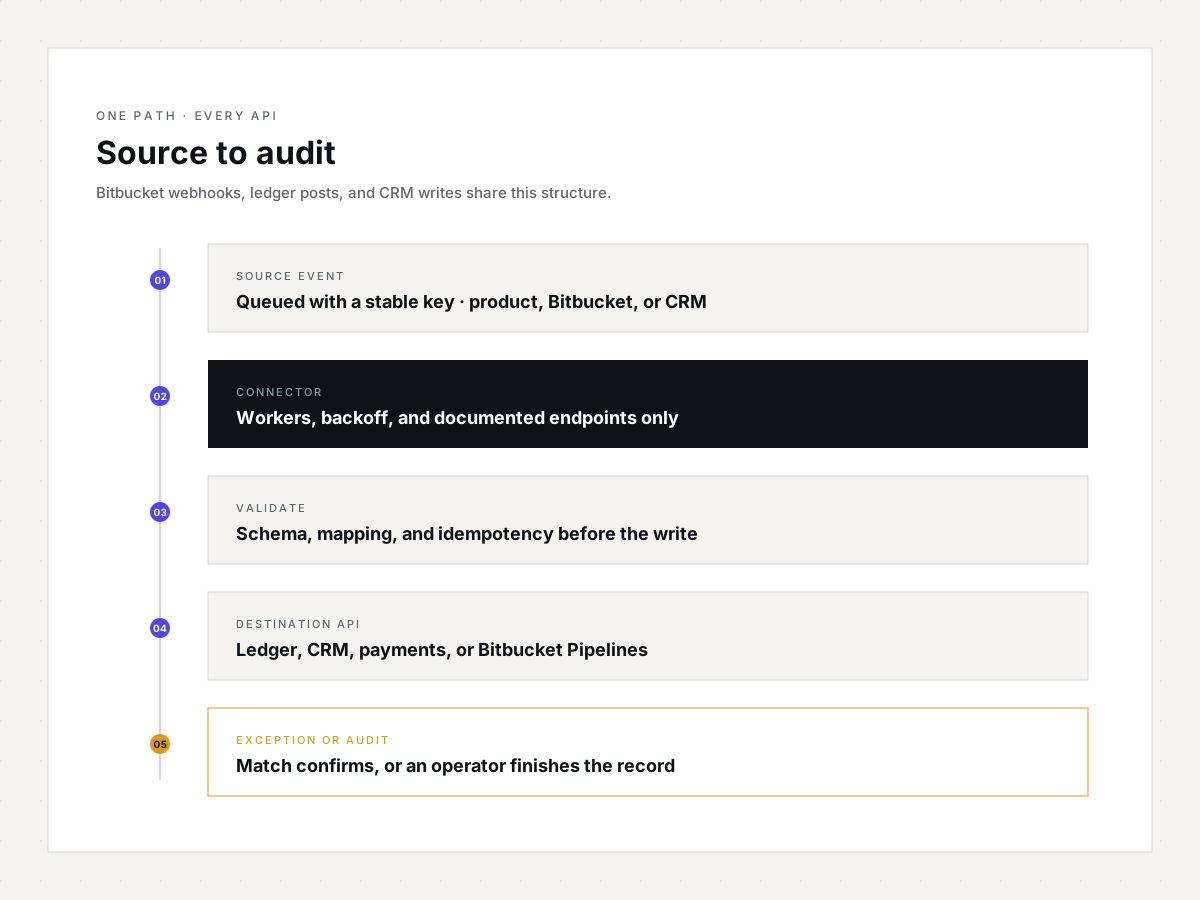
Bitbucket Pipelines, ledger posts, and CRM writes share the same sequence. The connector is finished when failure is visible, owned, and auditable.
Queued with a stable key from the product, Bitbucket, or another system of record.
Workers, backoff, and documented endpoints. No CSV dumps as the default.
Schema, mapping, and idempotency before the destination write.
Bitbucket, QuickBooks, Xero, Stripe, HubSpot, or a scoped industry API.
Match confirms agreement, or an operator finishes the record without an engineering ticket.
APIs we ship against
Each connector uses official APIs and the structure above. Close-cycle UX for QuickBooks and Xero lives on QuickBooks & Xero integrations - same connector structure, finance-specific operator UI.
Webhooks, repository events, and Pipelines status into the product - same keys, retries, and exception queue as every other connector.
Invoices, payments, and matching for month-end. The finance-specific solution, not a generic glue job.

 QuickBooks & Xero
Payout and settlement lines with source-record traceability - not a one-way export that finance cannot reconcile.
Reliable sync when the job is agreement between systems. Dispatch and fleet context lives under trucking solutions.
Trucking & logistics →When the write fails
Bitbucket ref · no product job
Operator pattern · no client data
A Bitbucket pipeline miss and a ledger mismatch use the same language: source, destination, reason, owner, action.
How the work is owned
Three phases. Each has a definition of done. Code does not start until systems, records, and retry policy are signed off.
What posts where, who is paged, what “done” means, and how idempotency works.
Bitbucket, ledger, payments, CRM, and platform APIs through native connectors.
Retry, match, and resolution surfaces so the connector does not become a ticket pile.
FinanceSync case study
QuickBooks and Xero sync worked in staging. Month-end is where the exception queue earned its place - idempotent workers, source-record keys, and discrepancy cards ordered by close risk.
Client names and identifying details may be changed for confidentiality. Metrics on case pages are measured delivery outcomes.
Queue · by close risk
FAQ
Bitbucket, accounting, and other APIs on this page follow the same connector rules.
Yes. Bitbucket webhooks, repository events, and Pipelines status land in the same structure as ledger and CRM connectors: stable keys, retries, and an exception queue.
That solution page is the finance market path: close, matching, and operator UX for books. This service is the connector craft used there and on Bitbucket, payments, CRM, and other APIs.
Integrations move data between systems of record. Automation orchestrates steps, often with a human on send. Many briefs need both.
Exception views, retries, and the source record. Operators get Retry, Match, or Park. Failures are not silently skipped.
Yes. We harden the connector and add the operational surface the first pass skipped: keys, mapping, and a resolution path.
No. Bitbucket is one published example. The same event → validate → write → exception pattern applies to CRM, payments, fleet, and ledger APIs - including CRM development destinations.
Start a conversation
Tell us the source event, destination API, and what happens when a write fails. Bitbucket, payments, CRM, fleet, or another scoped API. We'll review the systems and recommend the connector structure - no RFP required.
Reply within one business day NDA available No obligation
We will reply within one business day. If you still need a longer brief or a scheduled call, use the contact page.