Dispatch CRM & TMS · Boards that match the shift.
- Dispatch boards & bulk actions
- Exception queues & supervisor controls
- SLA and ownership on the row


Custom software & product development partner
KRIVA is the in-house product, UI/UX, and engineering team carriers, brokers, SaaS companies, and finance leads hire to build dispatch and fleet platforms, SaaS products, dashboards, driver apps, and QuickBooks/Xero integrations around how the business actually runs.
US, UK, Australia, UAE, and Canada · in-house team, no subcontracting · reply within one business day

2 loads have no owner
 EliteOne Transportation
 Keep Moving Movers
 XmileAuto Transport
 Xmile Transport & Moving
 DC Auto Transport
 Extra Mile Movers
 Schwarz Logistics
 Houzway
 Cascadia Collection
 CareerMoon
 Script
Trucking is our deepest practice (dispatch CRM, fleet tools, and driver apps), with the same standard for B2B SaaS, business software, and finance integrations.


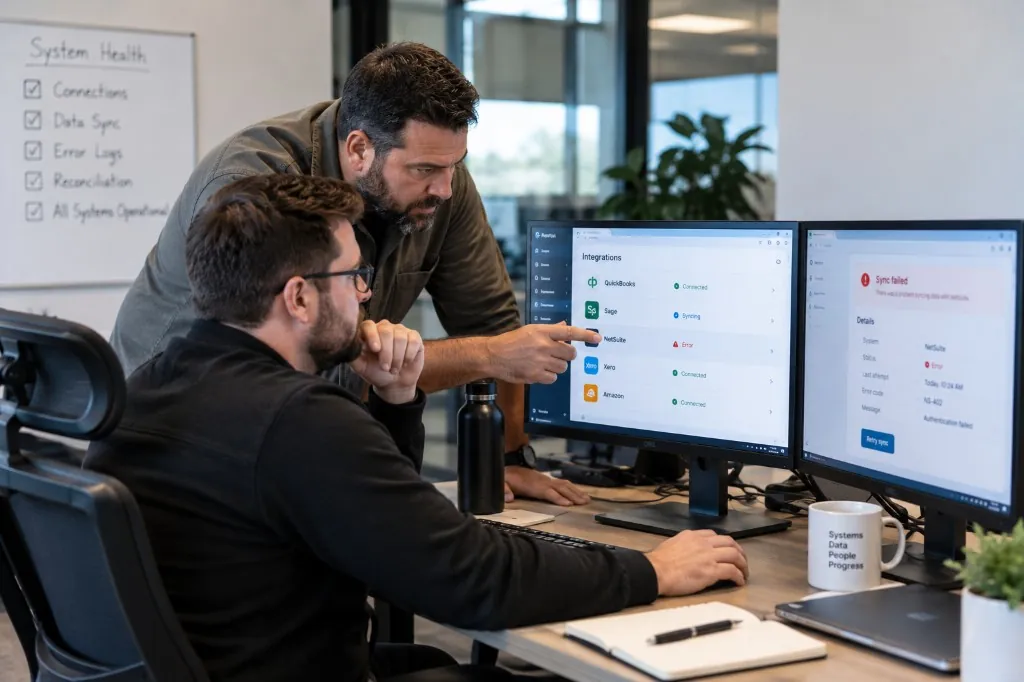
For trucking operators, SaaS founders, and finance leads: spreadsheets, chat threads, and silent syncs doing the job the software was bought for. Choose your seat.

32% less handle time · ShiftRail
Trucking solutions
PayrollPro · first-run tied to a real payroll cycle
Read the PayrollPro case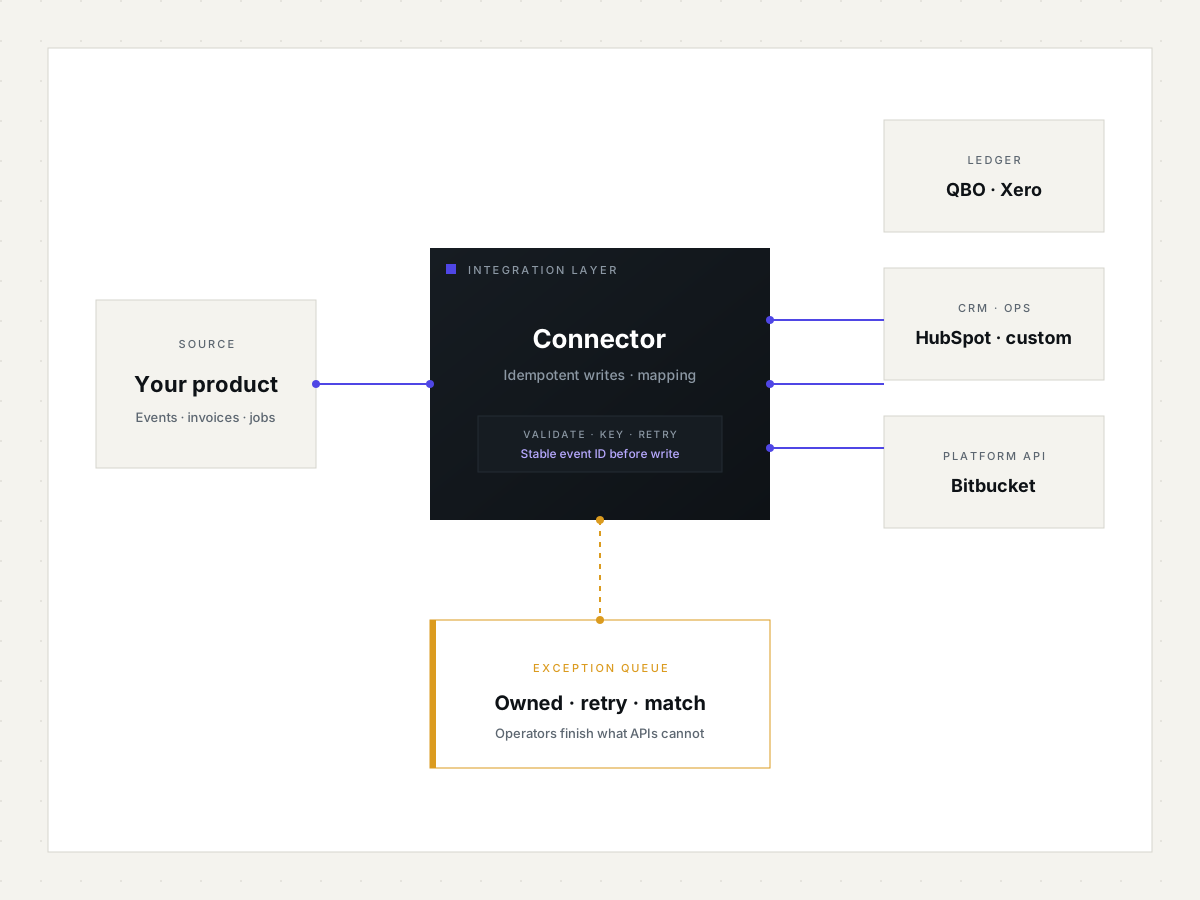
FinanceSync · reconciliation hub with retry history
Read the FinanceSync case
32%
less handle time
400+
routes a day
Bulk assign, SLA on the row, and audited overrides, so the desk stopped running its real queue outside the board.
SaaS onboarding and finance integrations from recent engagements.
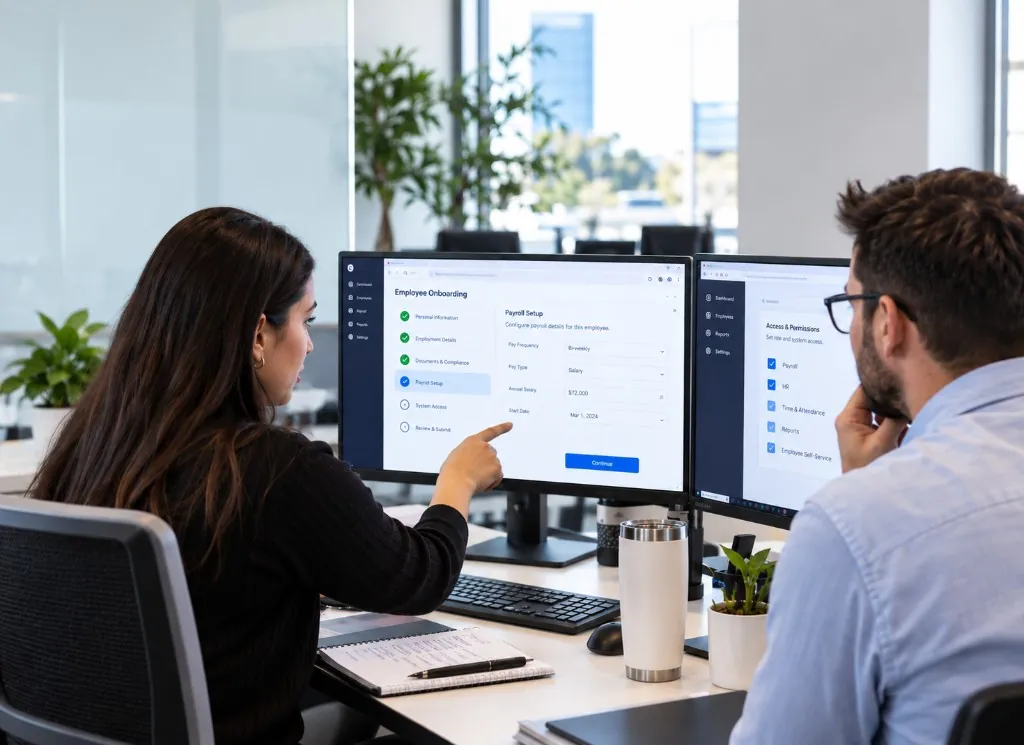
Progressive onboarding and permission clarity: role paths in parallel, first-run tied to a real payroll cycle.
Read the case
Reconciliation hub with idempotent workers, discrepancy cards, and retry history, with no raw JSON in the operator view.
Read the caseReal feedback from dispatch, SaaS, and auto-transport teams we built with. Roles only, no invented names.
“The desk stopped living in Slack. Exceptions sit on one board, and the shift can finish the job in the system.”
 Dispatch leadUS trucking operator
“First-run actually finished. New tenants hit a real payroll cycle instead of bouncing at permissions.”
 Product ownerB2B SaaS
“The quote form is the homepage. We stopped losing bookings to a buried contact page.”
 Owner, auto transportCar transportation
No big-bang rewrite. We observe how you work, ship on a live URL every week, and roll out behind feature flags until you sign off.
How projects run
Map users, exceptions, and workarounds.
Review realistic UI before build.
Working software on a live URL, weekly.
Parallel workflows until you sign off.
Same in-house team from discovery to launch. You own repos, Figma files, and docs at close.
It pays off when the workflow is the advantage. If the current system already fits, we will say so.
Keep the current system
Build or customize
Guides on dispatch CRM, dashboard UX, and SaaS onboarding.
Straight answers on what we build, how we roll out, and who owns the work.
KRIVA Technologies is an in-house product design and software engineering studio. We design and build custom software for trucking and transportation companies, B2B SaaS teams, and operations-led businesses: dispatch CRM and TMS, fleet dashboards, driver mobile apps, SaaS products and admin panels, API integrations, and QuickBooks/Xero integrations. We work remote-first with clients in the US, UK, UAE, Canada, and Australia.
Yes. We embed with your team and roll out in phases. Feature flags and parallel workflows keep the desk running while we change it.
Feature flags, staging tests, and weekly reviews on a live URL. Phased deployment until the new path is signed off.
Remote-first, in-house delivery from our Ahmedabad studio. US and UK call-hour overlap, async Slack updates, and weekly video.
You do. Figma files, repos, and documentation transfer at close, or earlier. No lock-in.
Book a free 20-minute fit call or send a project brief. We reply within one business day in US or UK hours, and you leave with a clear yes, no, or not-yet.
More on the full FAQ and how projects run.
We'll tell you whether to fix it, integrate it, rebuild it, or leave it alone.
Or email hello@krivatechnologies.com
32% less handle time on 400+ daily routes for ShiftRail. Built for operators in the US, UK, UAE, Canada and Australia.We will reply within one business day. If you still need a scheduled call or a longer brief, use the contact page.
Book a free 20-min fit call